The Lane (1965)
some places shape you. others hold you back
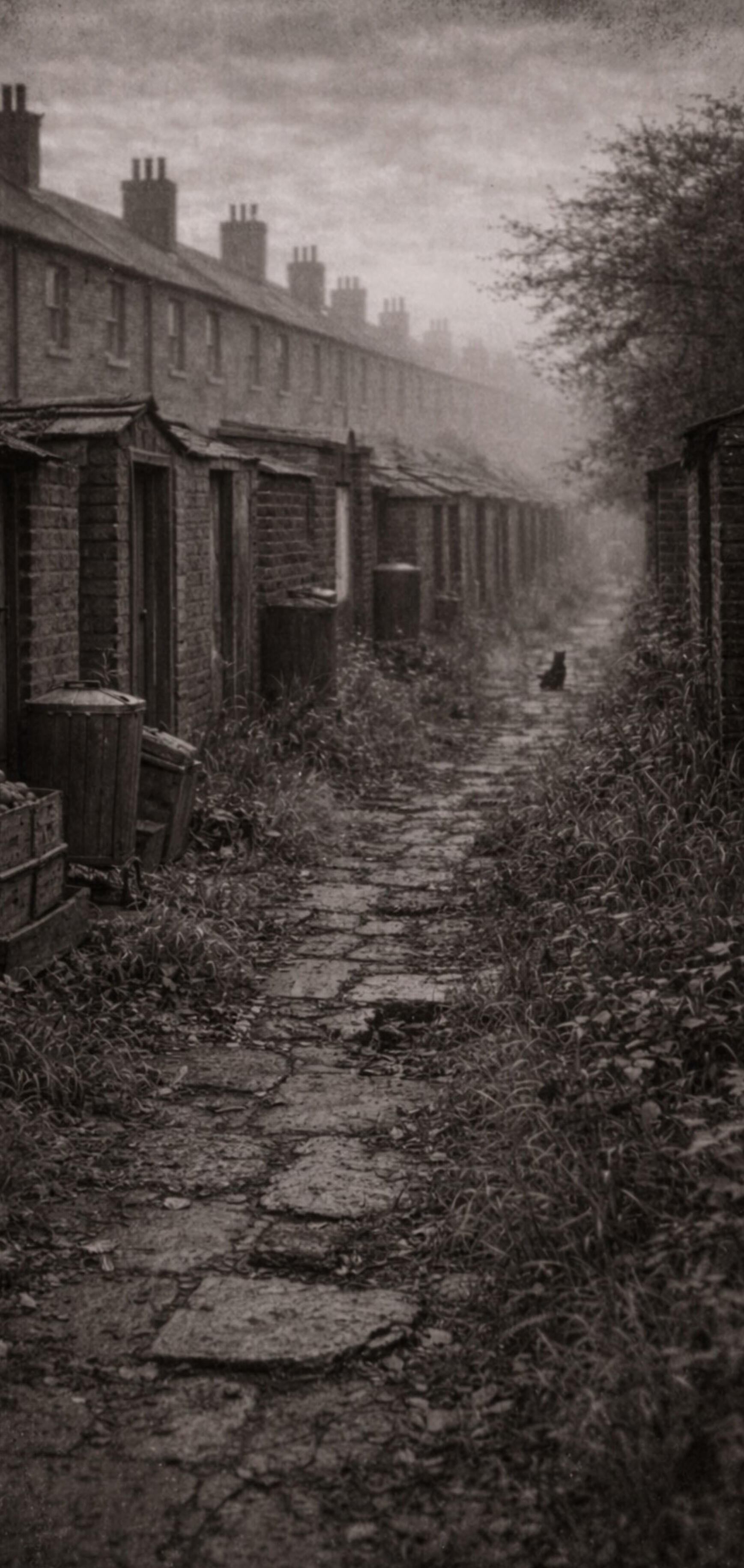
Released in early 1965, The Lane was among the final productions completed before the collapse of Crimea Street Films the following year and is often described as the studio’s most overtly pessimistic work.Directed by Elliot Morgan in his only feature-length collaboration with the company, the film examined the lives of several residents connected by a narrow back lane running behind a row of terraced houses in an unnamed northern town. True to the studio’s increasingly austere style, the narrative avoided any conventional dramatic resolution, focusing instead on repetition, confinement and the quiet persistence of routine.Much of the film unfolded in near silence, with lengthy sequences consisting only of footsteps, distant wireless broadcasts, dripping gutters and the sound of factory traffic beyond the terraces. Contemporary audiences reportedly found the pacing exceptionally slow, even by the standards of Crimea Street Films.The production became modestly notable for Lucy Fairbrook’s performance as June Farrell, a young woman widely assumed throughout the film to be planning her escape from the street, only for the story to gradually reveal that she has nowhere else to go.
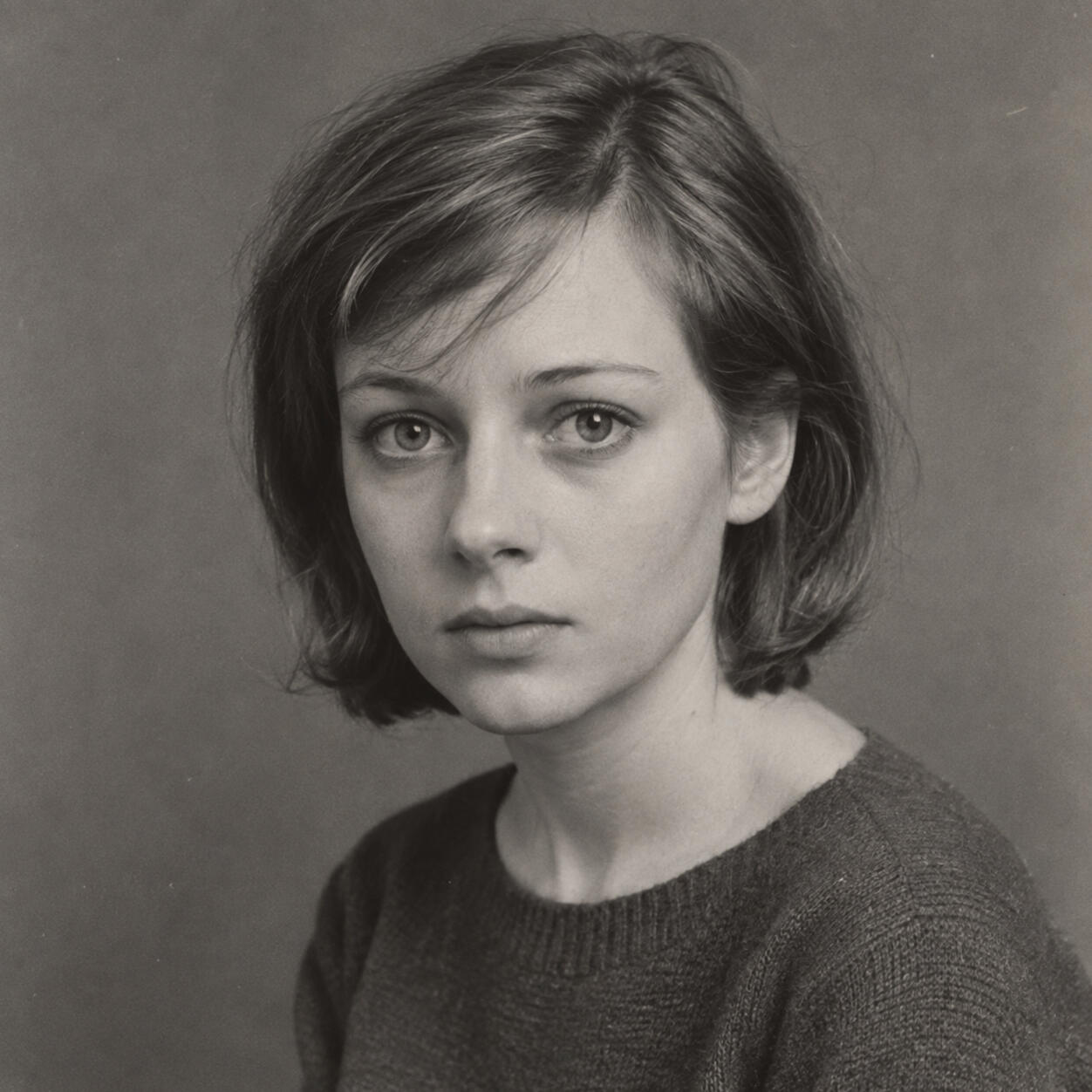
Lucy Fairbrook (1943–2008)Born in Rawtenstall, she left school at sixteen and worked in the accounts office of a textile mill before joining a local amateur dramatic society. She had no formal acting training and had appeared in only one small television role before being cast by Crimea Street Films.In The Lane, Fairbrook played June Farrell, a quiet young woman whose apparent fragility disguised a stubborn determination to escape the life being arranged for her. Her performance relied heavily on silence and physical stillness. Contemporary reviewers frequently remarked on her ability to appear frightened without reducing the character to helplessness.The film brought Fairbrook a brief period of national attention, although she remained uncomfortable with publicity and rejected several parts which she felt required her merely to look depressed. She continued working in regional theatre and television throughout the late 1960s, usually playing anxious daughters, young wives and women described in scripts as “rather pale”.Despite her innocent appearance, Fairbrook was an enthusiastic gambler. During the filming of The Lane, she reportedly beat three members of the lighting crew at poker five nights in a row. One later admitted that she had lulled them into believing she was helpless. In truth, the opposite was true.Fairbrook left acting in 1974 and trained as a librarian developing an extraordinary understanding of the Dewey Decimal classification system. She spent the remainder of her working life in Lancashire, where colleagues knew little of her brief film career until a retrospective screening of The Lane in 1986.She died in 2008, aged 65, after a short illness the day before her first self-help book was published.
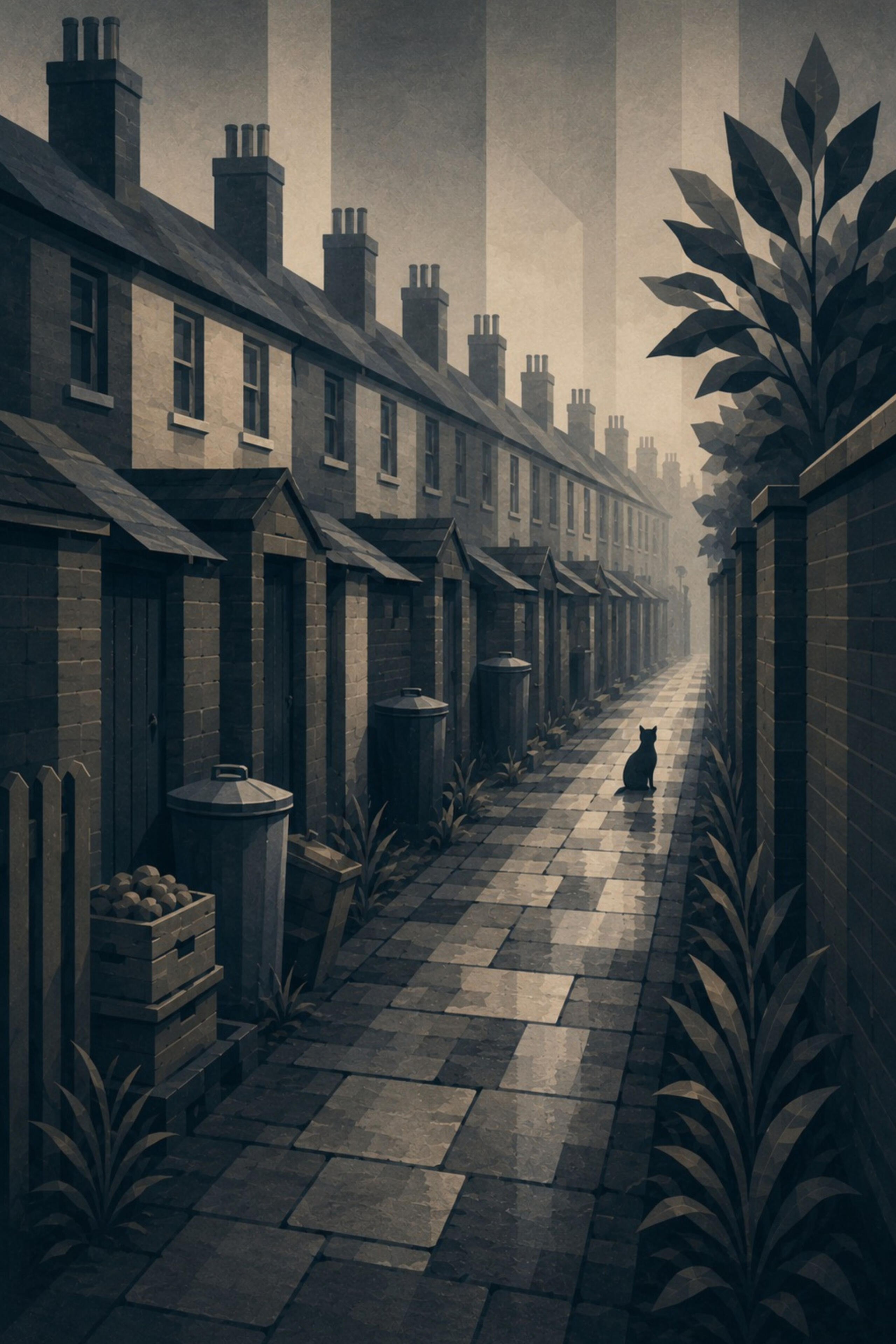
The Lane transforms an overlooked northern back passage into a study of repetition, perspective and quiet isolation.Rows of chimneys, outhouses and paving stones draw the eye towards a vanishing point, while the solitary cat provides the only interruption to the rigid geometry.Rendered in the distinctive Northern Deco style, the image reduces brick, slate and overgrown foliage into layered architectural forms.Muted tones and long shadows give the familiar setting an unexpected elegance without disguising its damp, neglected character.Available exclusively through FCSF, this artistic interpretation is available unframed on 240 gsm art paper and measures 16 x 20 inches.
What did the critics think?
Critics at the time praised Fairbrook’s restraint, though one reviewer remarked:“Miss Fairbrook conveys more despair through looking out of windows than most actresses achieve through dialogue.”Initial critical responses remained divided.The Manchester Evening Chronicle described the film as:“A remarkably photographed study of narrow streets and narrowing lives.”While the Daily Sketch proved less sympathetic:“Relentlessly damp and determinedly joyless.”Several reviewers also commented on the unusual prominence of the lane itself, with architecture and environment appearing to dominate the human characters. One critic observed:“The alleyway emerges as the production’s most fully realised personality.”Commercially, The Lane performed poorly even by the modest standards of Crimea Street Films and was screened only briefly outside the North of England. Yet later retrospective writing often identified the production as one of the clearest examples of the studio’s fascination with repetition, enclosure and emotional restraint.Today, surviving promotional material for The Lane is particularly sought after among collectors of regional British cinema ephemera, not least because the original distribution run is believed to have been exceptionally limited following the worsening financial difficulties facing Crimea Street Films during its final years.
From the archive
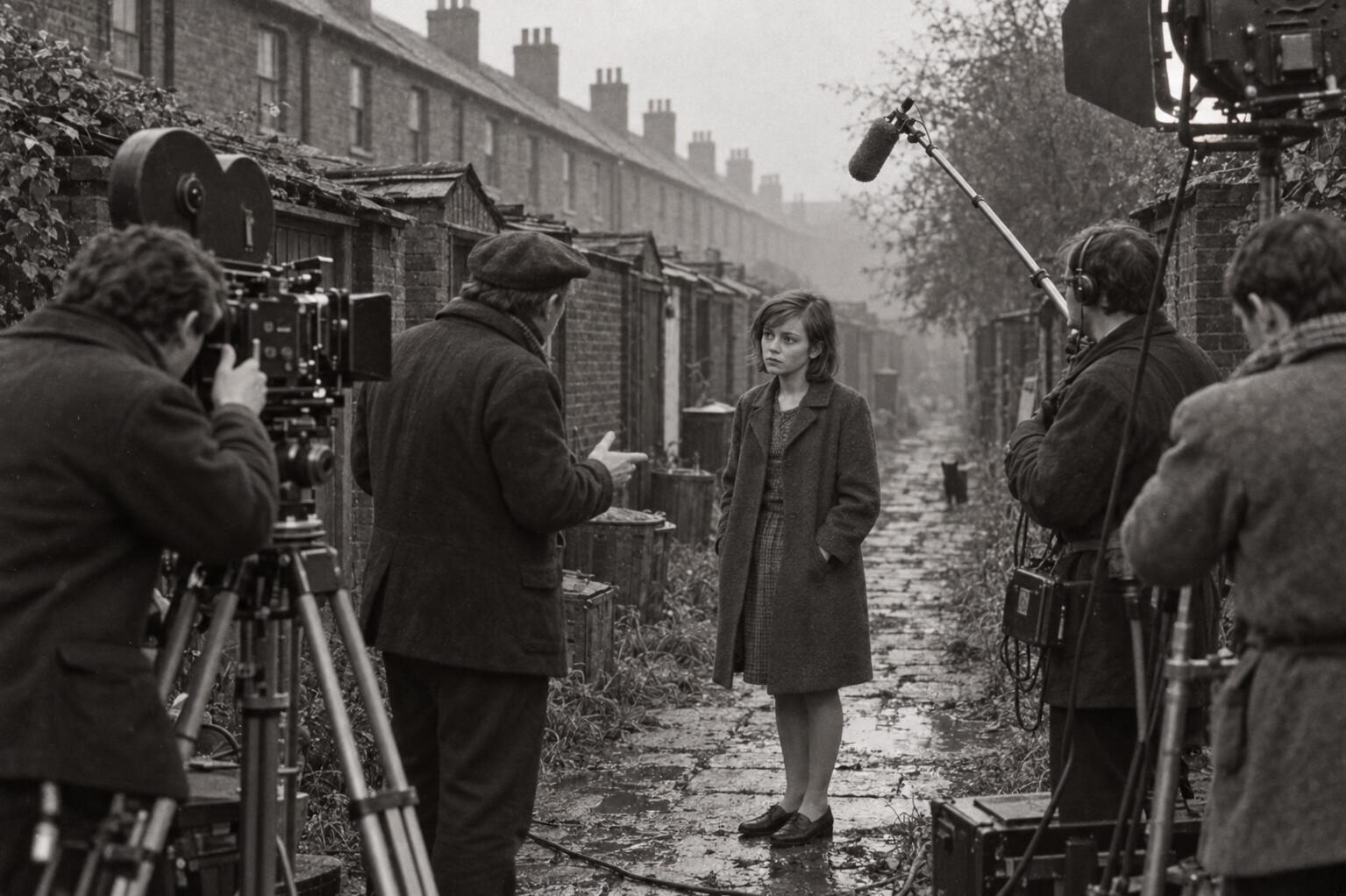
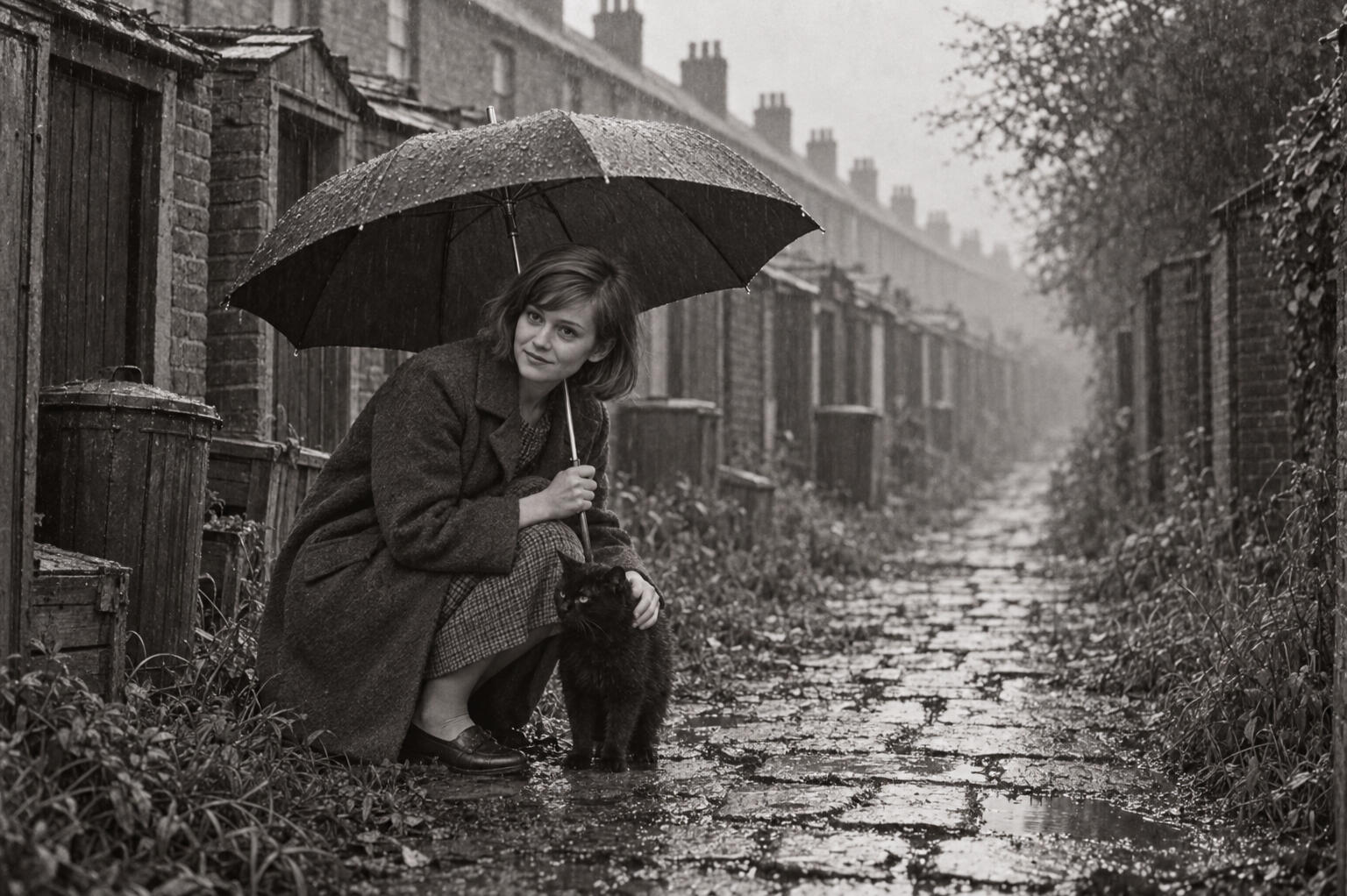
Filming was repeatedly interrupted by residents retrieving coal, emptying bins and demanding to know why nobody had asked permission to block the lane.
Publicity shot from the archive
The artwork of Reg Baines
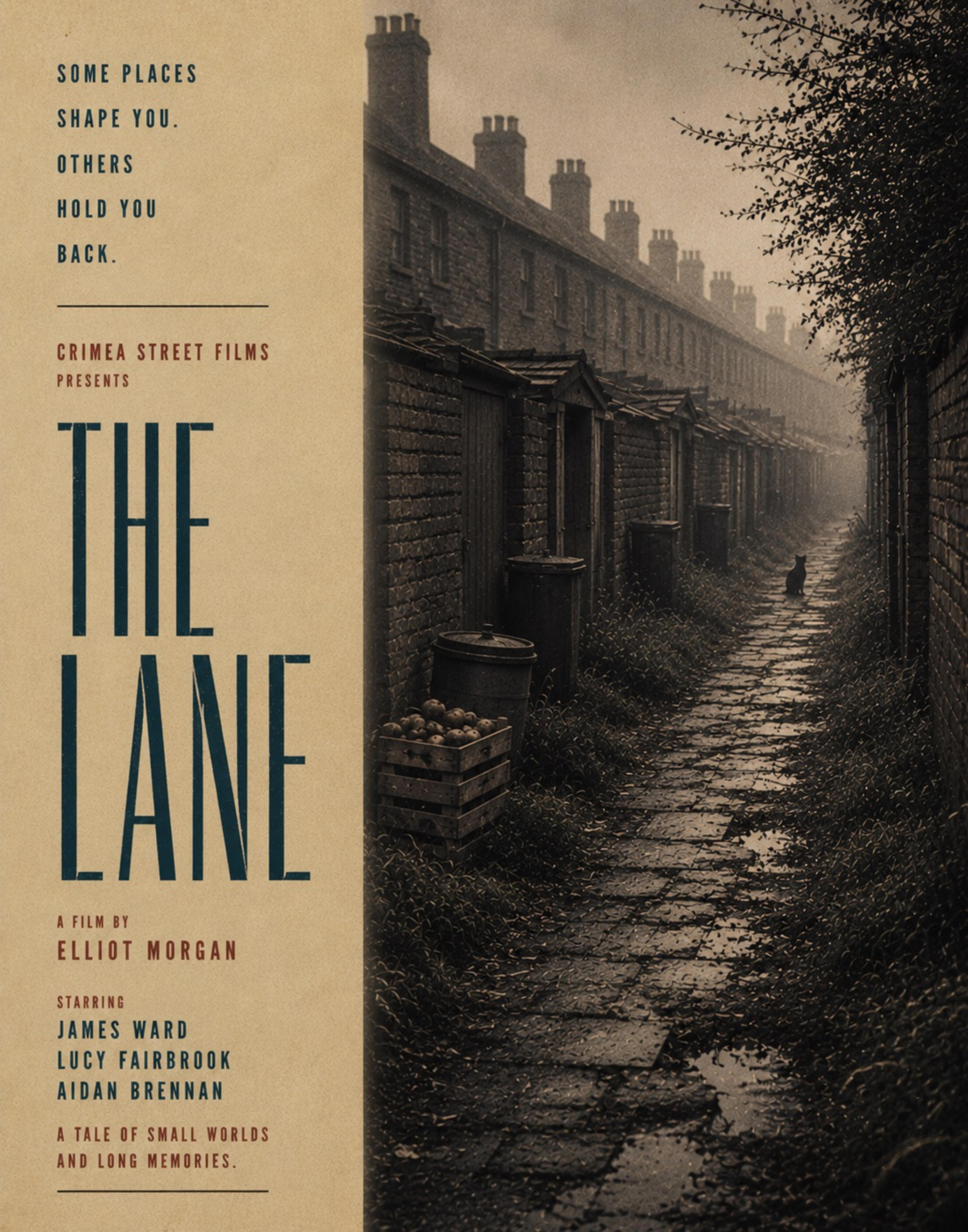
The original posters created by Reg Baines are synonymous with the studio and are very much part of its history.They would have been seen throughout the North of England outside cinemas, on hoardings and in places such as train stations.Most of them were damaged in a fire at the studio in late 1966, but we are delighted to now work with Parbold based artist, Brian Astley.He has faithfully reproduced each poster to a standard that our Reg would have been proud of and each one is available unframed on 240 gsm art paper as a 16 x 20 inch homage to the films we celebrate.